While hair loss is more harmful to the psyche than anything else,
some of the causes of baldness may represent serious health problems.
If your hair loss is due to an endocrine condition, like diabetes or
thyroid disease, proper treatment and control of the underlying disorder
is important to reduce or prevent hair loss. After diabetes, thyroid
problems are the most common glandular disorder the world over.
Thyroid Problems
Thyroid
problems are among the most common medical conditions but, because
their symptoms often appear gradually, they are commonly misdiagnosed.
So much evidence suggests that thyroid problems are due to an allergic
or environmental cause that it seems sensible to remove those substances
known to affect the thyroid to see if this corrects the condition
before taking any medication.
Even though the symptoms can be
uncomfortable as well as unpleasant, most thyroid problems are not
serious if they are properly diagnosed and treated. If a man has a
family history of thyroid problems, notices any symptoms, or is getting
up in years (thyroid problems are more common as people age), he should
have his thyroid gland tested. The good news is, like high cholesterol,
doctors can conduct a simple blood test to check the health of your
thyroid and many thyroid problems are easily treatable.
Thyroid Disease Can Cause Hair Loss
Both
an overactive thyroid and an under-active thyroid can cause hair loss.
Patients with an overactive thyroid gland, or hyperthyroidism, may also
be symptomatic and require treatment to lower their thyroid hormone
levels. Signs and symptoms of thyroid problems can be a result of either
an overactive thyroid leading to too much hormone being produced
causing symptoms of hyperthyroidism or an under active thyroid leading
to symptoms of hypothyroidism. An imbalance in the level of these
hormones (which may be brought by under-active or overactive thyroid
glands)- may sometimes lead to hair thinning and hair loss. But, an
overactive or under-active thyroid is not linked with a higher risk for
other heart problems or an increased risk of death, researchers report.
Hypothyroidism
should be suspected when you are experiencing some of the following
symptoms: fatigue, muscle weakness, weight gain , appetite loss, hair
loss, coarse, dry hair, dry/rough skin, recurrent infections, abnormal
menses, inability to tolerate cold, decreased sex drive, depression,
memory loss, muscle cramps, drooping and/or swollen eyes.
Many
people notice rapid hair loss as a symptom of their hyperthyroidism or
hypothyroidism. Hypothyroidism also known as Hashimoto's Disease is an
autoimmune disease that causes gland inflammation or thyroid
sluggishness. Hypothyroidism can cause hair loss, typically frontal, and
is particularly associated with thinning of the outer third of the
eyebrows (syphilis also can cause loss of the outer third of the
eyebrows). Hyperthyroidism can also cause hair loss, which is parietal
rather than frontal. Be Patient If you're experiencing hair loss and are
just starting treatment for a hyperthyroid or hypothyroid condition,
it's likely that for most of you, the loss will slow down, and
eventually stop, once hormone levels are stabilized and in the normal
range.
Treatments
A wide variety of
treatments are available, mostly aimed at suppressing or distracting the
immune system. Some hair loss sufferers make use of so-called
"clinically proven treatments" such as finasteride and topically applied
minoxidil (in solution) in an attempt to prevent further loss and
regrow hair.
Showing posts with label thyroid hormone. Show all posts
Showing posts with label thyroid hormone. Show all posts
Friday, May 10, 2013
Thyroid Disease Can Cause Hair Loss
12:17:00 PM
As a natural product, Provillus does not cause the side effects
that prescription hair loss treatments true. Provillus is a relatively
new hair loss treatment and one of the few hair loss treatments for
women. Provillus is a safe alternative to prescription hair loss
treatments.
By
Paul Rodgers

Friday, May 3, 2013
Natural Remedies For Thyroid Problems - What Foods You Should Eat and Which Ones to Avoid
8:35:00 AM
You might consider natural remedies for thyroid problems. It's
quite understandable, actually, since you must have heard the side
effects of chemically-formulated drugs. Moreover, if you have been
researching the web about thyroid problems, surely, you must have read
somewhere that synthetic supplements may not even work as effectively as
the non-synthetic ones. Synthetic supplements contain only one thyroid
hormone, you see, while the latter covers several types, including T3
and T4 which are said to play key functions in controlling metabolism.
So, indeed, why not give natural remedies a shot then?
The
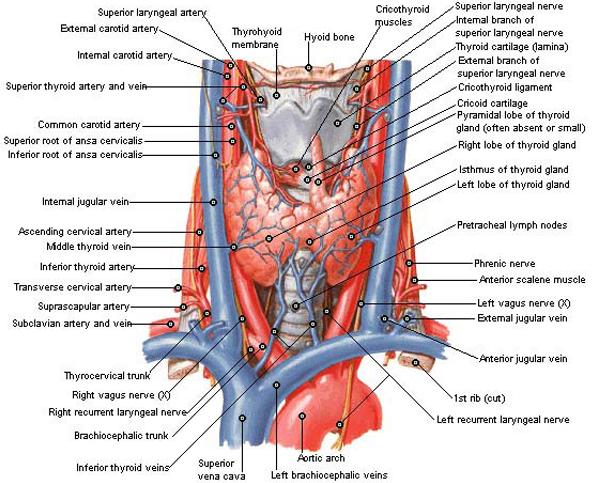
thyroid is actually just a small gland that is situated on the neck
area. You would think it's rather insignificant because of its small
size, but you would be surprised that this small gland has big
responsibilities. The thyroid is the only part of the body that absorbs
iodine, an essential element needed by the body to produce hormones
necessary to carry out metabolic processes. When there is absence of
this element, the thyroid becomes hyperactive or underactive.
Clinically, a hyperactive thyroid is termed hyperthyroidism, while an
underactive thyroid is referred to as hypothyroidism; either way means
that the thyroid is not functioning well at all.
In the case of
hyperthyroidism, there are more thyroid hormones in the bloodstream,
requiring the body more energy. The body reacts by increasing metabolic
rate to levels beyond the norm. While the result is that you lose
weight, you also lose energy in the process, and this explains why you
feel exhausted. Herbal treatments are available to treat
hyperthyroidism, and these include drinking Motherwort herbal tea, lemon
balm tea, and green tea. Motherwort controls palpitations that can
occur with hyperthyroidism, while lemon balm tea can help control the
thyroid. Green tea is recommended, too, because of its potent
antioxidant effect. What's also recommended is to avoid food sources
that are known to have stimulating effects, such as caffeine, wheat
grass, bladder wrack, and ginseng.
Hypothyroidism, on the other
hand, is a condition wherein the hormones in the bloodstream are not
sufficient enough. This causes the metabolism to slow down, leading to
weight gain, and making you feel less energized. There are several
natural remedies for thyroid problems like this, and these include
dietary changes and herbal or natural supplements.
The appropriate
diet designed for sufferers of hypothyroidism focuses on foods that are
abundant in iodine and thyroxine. Making the list are seafoods
including fish, seaweeds, chicken breast, avocados, lentils, bananas,
almonds, and coconut oil. Herbal supplements that consist of licorice,
bladder wrack, kanchanara, shilajeet, and ginger, are also highly
recommended.
You should consider scrapping chemically-produced
foods, especially highly processed foods. You are also advised to avoid
certain green vegetables like broccoli, cauliflower, spinach, and
Brussel sprouts as these contain enzymes that could somehow interfere
with the normal functioning of the thyroid system.
When you
exhibit signs and symptoms of thyroid problems, it would be a good idea
to talk to your doctor about some natural remedies for thyroid problems
to help you deal with all the discomforts associated with thyroid
imbalances.
Subscribe to:
Posts
(
Atom
)


