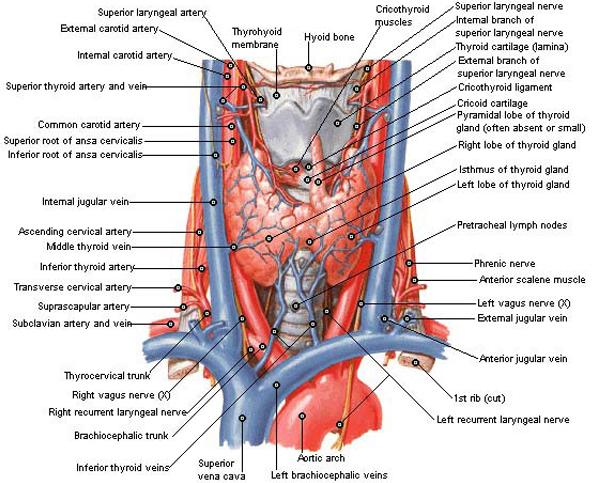
Thyroid is a small gland located in our neck. The main purpose of
this gland is to produce hormones to run our metabolism properly. As
metabolism is one of the most important functions of our body; it can
trigger a host of disorders if it slows down or malfunctions.
There
are two most common forms of thyroid diseases; hypothyroidism or
hyperthyroidism. Your thyroid can be overactive or underactive depending
upon the reason of the disorder. The major cause of hypothyroidism is
inflammation of the gland. Once your thyroid is inflamed; it stops
producing sufficient amount of hormone. The insufficient production of
essential hormones triggers various diseases like excessive weight gain,
insomnia, depression etc.
You can easily get rid of thyroid
problems if you start taking care of your diet. You must start taking
iodine rich diet as soon as you notice thyroid disease symptoms.
Following are some natural treatment of thyroid diseases.
• Though
iodized salt is the most common form of salt available in the market,
make sure that the salt you eat has enough iodine in it. If you notice
symptoms of thyroid problems; start taking iodine rich diets.
• Stop excessive smoking or alcoholism if you are suffering from hypothyroidism.
• Eat a balanced diet with ample quantities of Vitamin A, B, C and E.
• Broccoli, spinach, peanuts and soybeans are known to suppress
thyroid functions therefore you must avoid these foods if you are
suffering from thyroid problems.
• Vitamin D is essential for proper function of thyroid therefore
make sure that you get enough exposure to sunlight. You may also try
vitamin D supplements if you wish.
• If you are on some kind of medication that contains Lithium; you must stop using them after consultation with your physician.
Showing posts with label thyroid problems. Show all posts
Showing posts with label thyroid problems. Show all posts
Sunday, September 1, 2013

Friday, May 3, 2013
Natural Remedies For Thyroid Problems - What Foods You Should Eat and Which Ones to Avoid
8:35:00 AM
You might consider natural remedies for thyroid problems. It's
quite understandable, actually, since you must have heard the side
effects of chemically-formulated drugs. Moreover, if you have been
researching the web about thyroid problems, surely, you must have read
somewhere that synthetic supplements may not even work as effectively as
the non-synthetic ones. Synthetic supplements contain only one thyroid
hormone, you see, while the latter covers several types, including T3
and T4 which are said to play key functions in controlling metabolism.
So, indeed, why not give natural remedies a shot then?
The
thyroid is actually just a small gland that is situated on the neck
area. You would think it's rather insignificant because of its small
size, but you would be surprised that this small gland has big
responsibilities. The thyroid is the only part of the body that absorbs
iodine, an essential element needed by the body to produce hormones
necessary to carry out metabolic processes. When there is absence of
this element, the thyroid becomes hyperactive or underactive.
Clinically, a hyperactive thyroid is termed hyperthyroidism, while an
underactive thyroid is referred to as hypothyroidism; either way means
that the thyroid is not functioning well at all.
In the case of
hyperthyroidism, there are more thyroid hormones in the bloodstream,
requiring the body more energy. The body reacts by increasing metabolic
rate to levels beyond the norm. While the result is that you lose
weight, you also lose energy in the process, and this explains why you
feel exhausted. Herbal treatments are available to treat
hyperthyroidism, and these include drinking Motherwort herbal tea, lemon
balm tea, and green tea. Motherwort controls palpitations that can
occur with hyperthyroidism, while lemon balm tea can help control the
thyroid. Green tea is recommended, too, because of its potent
antioxidant effect. What's also recommended is to avoid food sources
that are known to have stimulating effects, such as caffeine, wheat
grass, bladder wrack, and ginseng.
Hypothyroidism, on the other
hand, is a condition wherein the hormones in the bloodstream are not
sufficient enough. This causes the metabolism to slow down, leading to
weight gain, and making you feel less energized. There are several
natural remedies for thyroid problems like this, and these include
dietary changes and herbal or natural supplements.
The appropriate
diet designed for sufferers of hypothyroidism focuses on foods that are
abundant in iodine and thyroxine. Making the list are seafoods
including fish, seaweeds, chicken breast, avocados, lentils, bananas,
almonds, and coconut oil. Herbal supplements that consist of licorice,
bladder wrack, kanchanara, shilajeet, and ginger, are also highly
recommended.
You should consider scrapping chemically-produced
foods, especially highly processed foods. You are also advised to avoid
certain green vegetables like broccoli, cauliflower, spinach, and
Brussel sprouts as these contain enzymes that could somehow interfere
with the normal functioning of the thyroid system.
When you
exhibit signs and symptoms of thyroid problems, it would be a good idea
to talk to your doctor about some natural remedies for thyroid problems
to help you deal with all the discomforts associated with thyroid
imbalances.
Sunday, April 14, 2013
Tyroid Problems and Back Pains in Women
5:53:00 AM
What Is The Thyroid?
The thyroid gland is located in the neck, near the base area. It produces a hormone, thyroxine which helps speed up the process of the body to produce protein, increase metabolism, and is responsible for using up stored energy. A patient who suffers from chronic back pain that is attributable to thyroid malfunction, should get medical attention immediately - since the thyroid gland controls hormonal imbalances in the body. Thyroid dysfunction is one of the most common ailment that affects older women. The disease normally occurs before or after menopause. Thyroid in women are associated with either weight gain or loss. Any thyroid dysfunction might affect the patient adversely, hence the need for the patient to seek professional help immediately.
Diagnosing back pains attributable to thyroid may be difficult at times since there are not many symptoms that patients would be able to document on their own. There are basically two types of thyroid problems: hypothyroidism and hyperthyroidism. The symptoms for these problems follow:
* Hypothyroidism - happens when the there is underproduction of thyroxine by the thyroid than what is needed by the body to function smoothly. What results is the slowing down of body metabolism, leading to low energy levels.
The symptoms are as follows: dry and scaly skin, coldness in hands and feet, hair loss, weight gain, depression/dementia and poor memory, lowered immune system, extreme exhaustion, constipation, heavy menstruation
* Hyperthyroidism - occurs when excessive thyroxine is produced by the thyroid and increases the body's metabolism rate. If untreated, the disease can have adverse effect on the body's vital organs.
Some of the symptoms are as follows: weight loss, dry skin, insomnia/depression/over fatigue, nervousness/tremors, warm hands and feet, frequent defecation, light menstrual period.
Causes of Thyroid Problems In Women
There are various reasons why a woman would succumb to hypothyroidism or hyperthyroidism. The main cause however is hormonal imbalance, which may occur due to several reasons.
1. Low intake of Vitamin D
Deficiency in Vitamin D is said to cause Hashitomo disease, a chronic inflammation in the thyroid glands, that is due to the overproduction of antibodies that eventually injures it. This injury could lead to hypothyroidism. Hashitomo's thyroidism is oftentimes associated with other autoimmune diseases like lupus and type 1 diabetes. Vitamin D deficiency may be common to some groups with inadequate dietary intake and with limited sun exposure. Vitamin D intake that is recommended for adults, varies from 400IU to 800IU for adults above 70 years of age.
2. Adrenal Fatigue - adrenal fatigue have symptoms similar to hypothyroidism, although they are two different matters. It is recommended by most doctors however, that adrenal deficiencies be cured first to have better success in combating hypothyroidism. The symptoms that are specific to the condition are as follows: tremors under pressure, lightheadedness, alternating bouts of diarrhea and constipation, loss of sexual appetite, and cravings for sweet and salty foods.
3. Fibromyalgia - a significant percentage of women who had hypothyroidism are also diagnosed with fibromyalgia. Both conditions would show the same symptoms. It is the
belief of most doctors that the latter is also auto immune in nature. Others believe that it may be a case of hypometabolism, therefore a clear manifestation of thyroid dysfunction. Fibromyalgia is characterized by joint and muscle pains. A formal diagnosis of this disorder would be extreme pain in both sides of the body, pain above and below the waist, pain in the cervical and thoracic spine, and pain in eleven tender point sites.
Back Pains and Hypothyroidism
When back pains occur, it usually results to cramps and spasm at the back portion of the body. These symptoms are clear signs of hyperthyroidism. In most cases, the back pain may be accompanied by pains in the neck area due to glandular swelling. Treatment of thyroid problems would entail - balancing the hormones in the body through medication. These pills would block the body's ability to produce too many hormones. Once treatment begins, the illness may be quite easy to control and the pains just subsides away.
Medications may include anti-inflammatory medicines to reduce the swelling of the glands and the back muscles. When pain is controlled, further treatments can be
initiated to cure the ailment. Taking too long to get medical intervention by visiting a physician, may proved detrimental in the long run. Hyperthyroidism can worsen and lead to other health issues including diabetes.

Tuesday, April 9, 2013
What Are the Main Thyroid Problems, Symptoms and Cures?
1:15:00 AM
Are you looking for thyroid problems symptoms and cures? You will
develop thyroid problems due to an imbalance in thyroid levels. A
thyroid problem no matter how it came about, eventually leads to a
weight problem. This weight problem is usually quite severe. It works
both ways, you gain weight, you lose it rapidly or you just can't seem
to get rid of the current excess weight no matter how hard you try.
These thyroid problems then usually lead to other weight related
diseases. This is true whether you suffer from an under-active or
overactive thyroid.
What are we actually talking about when we
mention thyroid problems symptoms and cures? Hypothyroidism is the term
used for an under-active thyroid, an easy way to explain is by saying
that your metabolism is under achieving and therefore you are going to
gain weight. Hyperthyroidism is the opposite. You have an overactive
thyroid and your metabolism is sped up resulting in weight loss. It
might seem like an overactive thyroid sounds like a great thing to have.
Yes it does sound terrific but unfortunately the sufferer can get so
weak that they ultimately end up in the hospital. And whoever said a
skeleton looks attractive.
Hypothyroidism (under-active) thyroid usually takes the spotlight when we talk about thyroid disease. The sufferer's metabolism slows down so much that they just keep putting on weight. This also leaves them feeling weak and results in serious illness if left untreated. What I am about to tell you might sound crazy. Did you know that drinking coffee as been proven to drastically reduce the effects of an under-active thyroid? That's right coffee. The very beverage that has been persecuted by many doctors and physicians. Some even go as far as saying that coffee is a dangerous narcotic.
In the largest coffee study done to date, published in the New England Journal of medicine. More than 400000 men and women were involved ages 50 to 71 over a 14 year span of time. It showed that not only did those that drank coffee lived longer but the more coffee they drank the longer they ended up living.
Coffee protects you from thyroid disease, it protects you from cancer (thyroid as well as other cancers) and it also protects you from liver dysfunction. The health benefits of coffee go far beyond what I have discussed here. Stress and disease are waiting around every corner. We must take advantage of every thyroid protective nutrient available and surprisingly coffee is one of the most important ones. As important as it is there are other really important nutrients needed. In this article I have only mentioned a few of the thyroid problems symptoms and cures.

Subscribe to:
Posts
(
Atom
)


